
OMEA: Narrative Freedom with Plenty of Potential

After six runs through its only available story, OMEA proves that an AI-powered game master can create a playful, replayable adventure. Punishing dice rolls, long waits and continuity errors show how much the demo still needs to refine.
Denshattack! – Full Speed into Arcade Spectacle
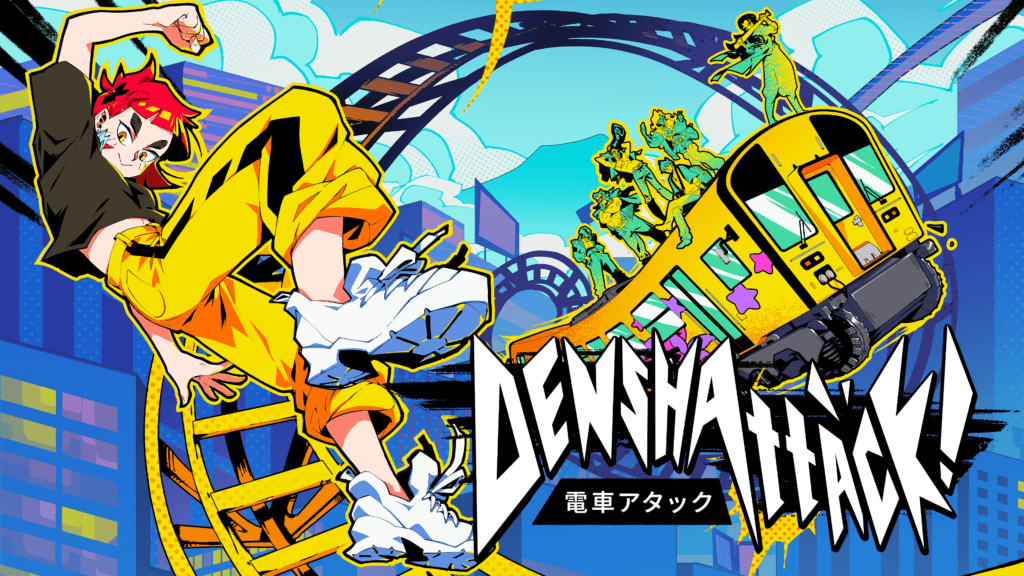
Denshattack! turns a train into an arcade trick machine, chaining platforming, races and bosses into an exuberant, high-speed journey across a dystopian Japan.
Farlands: A Farm Beyond the Stars
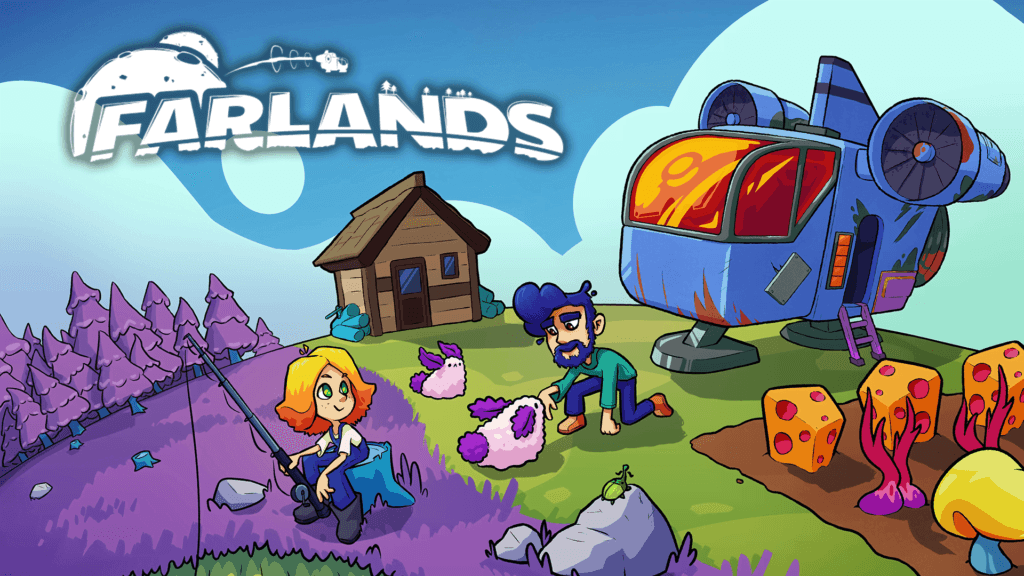
Farlands takes the farming-life formula into a compact solar system, blending crops, resource management and exploration. The 1.0 release is a clear improvement, but some layered systems make this relaxed journey harder to read than it should be.
Coffee Talk Tokyo – Coffee, yokai, and slow-burn conversations
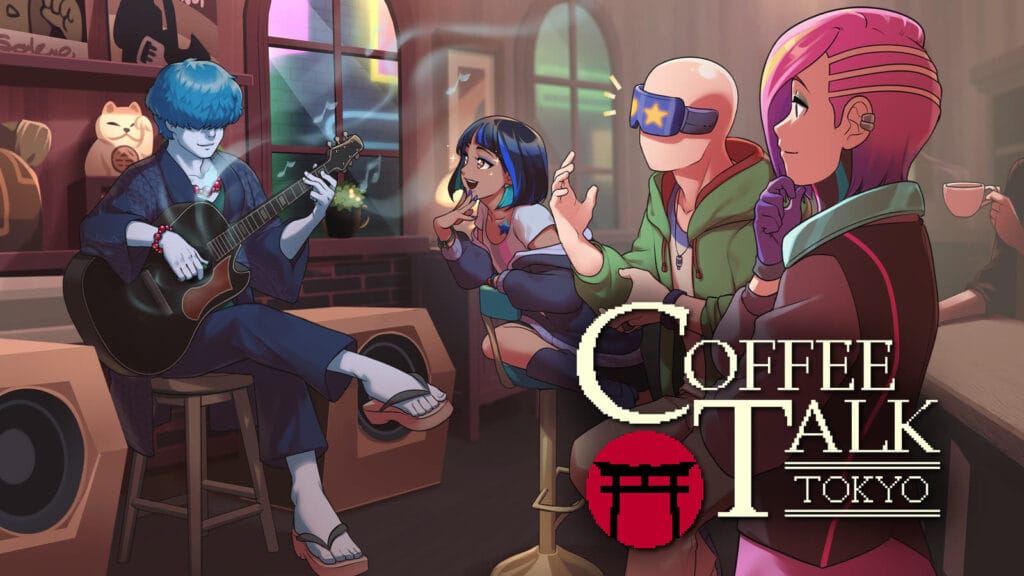
Coffee Talk Tokyo moves the series to a nocturnal version of Japan without losing what defines it: listening, preparing the right drink, and letting wounded characters open up slowly, one conversation at a time.
Life is Strange: Reunion – Max and Chloe return to close an unfinished story
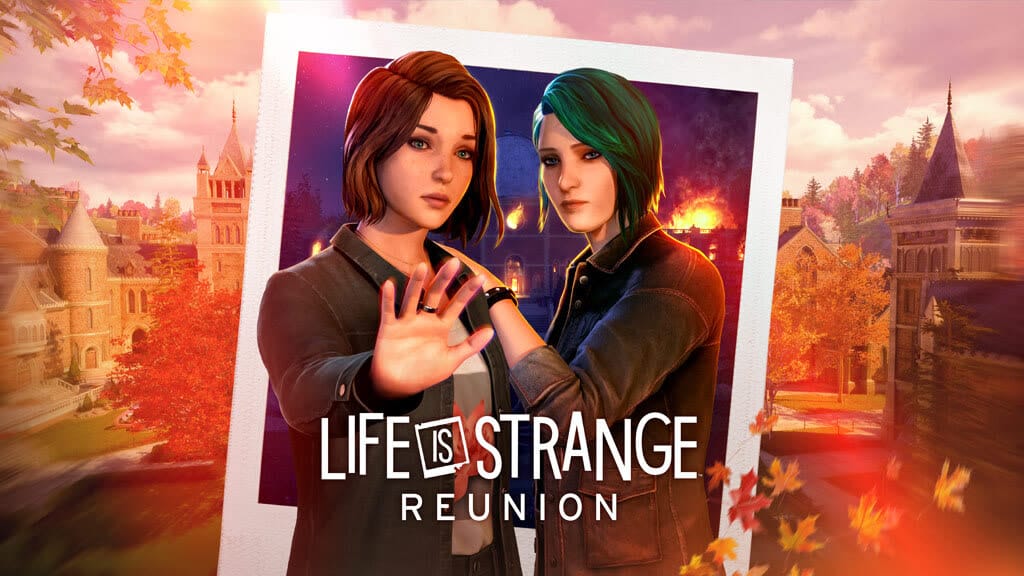
Life is Strange: Reunion brings Max and Chloe back with the weight of everything that happened before. It is not trying to erase the past, but to confront what surviving, remembering, and choosing each other can mean years later.
Mixtape – A teenage farewell scored by songs to remember

Mixtape is a coming-of-age story built from memories, music, and small acts of rebellion. Its strength lies less in challenge than in mood, rhythm, and the way each song frames a farewell that feels personal without becoming sentimental.
Forza Horizon 6 – Japan turns the road into an unforgettable festival

Forza Horizon 6 takes the festival to Japan and uses that setting for more than scenery. Mountain roads, dense cities, seasonal routes, and car culture give Playground Games a setting that feels both spectacular and unusually coherent.
Pokémon Champions – Competitive battles made accessible
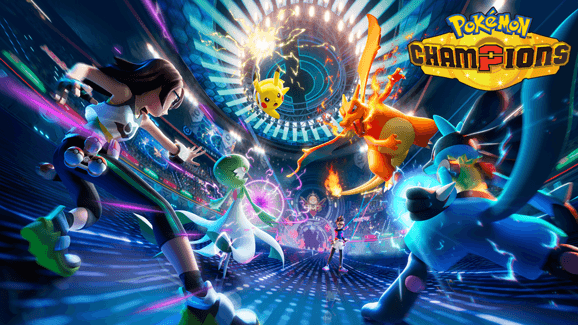
Pokémon Champions strips the series down to competitive battles and makes team building far more accessible. It is a smart entry point for players who want to understand the strategic side of Pokémon, even if it still needs more modes and long-term variety.
Saros – Housemarque returns stronger under Carcosa’s eclipse
Saros refines Housemarque’s strengths with spectacular combat, sharp control, and a roguelike structure built around learning from every death. It is demanding, but rarely arbitrary, and it turns punishment into momentum with unusual confidence.
Pragmata – Hacking, shooting, and surviving on the Moon
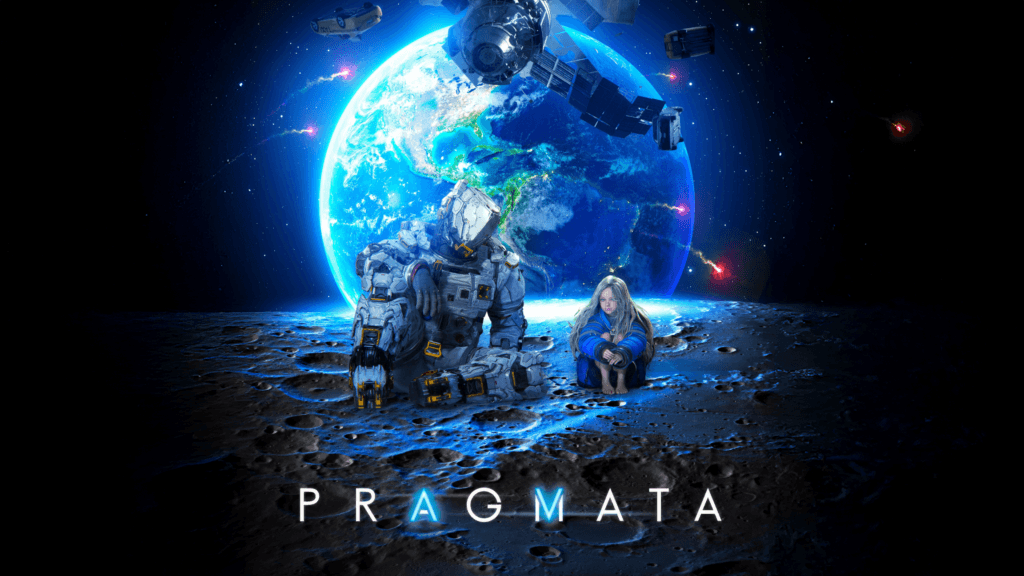
Pragmata combines third-person shooting, hacking puzzles, and a lonely lunar setting into a game with a clear identity. Its best ideas work because Diana and Hugh are not just narrative companions, but the center of how combat, exploration, and survival fit together.